
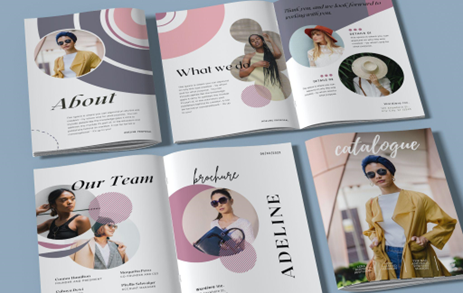
Offset printing remains one of the most popular printing methods for producing packages, books, magazines, brochures, stationery, labels, and posters. In recent years, UV (ultraviolet) ink has gained significant traction in the offset printing industry, offering unique advantages over conventional inks—but also presenting some challenges that printers should consider.
Advantages of UV Ink for Offset Printing
1. Instant Curing and Faster Production
UV inks cure instantly when exposed to ultraviolet light, eliminating drying time. This speeds up the printing process and allows for immediate finishing operations like cutting, folding, or binding—significantly boosting productivity.
2. Brilliant Color Reproduction
UV inks provide rich, deep color with high density. Archival images are created by sharp, smooth, high-density color that is not absorbed, but remains above, residing on the substrate, which provides better images and greater color density uniformity—all perfect for high-end packages, high-end brochures, and dramatic posters.
3. Versatility on Different Substrates
Unlike typical inks that just print onto paper, UV inks are generic and can be coated on any quantity of types of substrate, plastics, coated papers, metallised board, and speciality films. Very much in demand within packaging and special finishes labels markets.
4. Enhanced Durability
Once cured, UV inks offer strong resistance to scratches, chemicals, and fading. This makes them suitable for products that will be handled frequently or exposed to harsh environments, such as point-of-sale displays, luxury packaging, and certain outdoor applications.
5. Eco-Friendly Potential
UV inks are typically free of volatile organic compounds (VOCs), which minimizes harmful emissions when printing and creates a better environment for manufacturing.
Disadvantages of UV Ink for Offset Printing
1. Higher Equipment Costs
Switching to UV offset printing requires investment in specialized curing equipment and compatible press configurations. This can be a significant cost for smaller printing companies.
2. Ink and Maintenance Costs
UV inks are generally more expensive than conventional inks, and the curing lamps require periodic replacement. Additionally, press maintenance for UV printing can be more complex due to the need to prevent premature curing on the rollers.
3. Safety Considerations
Operators must handle UV inks with care, as the uncured ink can be irritating to the skin. The process of UV curing also needs to be adequately shielded to prevent operators from being exposed to the ultraviolet radiation.
4. Limited Ink Layer Flexibility
While UV inks excel in durability, they can be less flexible than conventional inks once cured, making them less suitable for applications that require extensive folding or creasing.
Partnering for UV Offset Printing Success
For printers weighing the pros and cons, UV ink for offset printing offers remarkable benefits in speed, quality, and substrate versatility—but it’s important to balance these advantages against the investment and operational requirements.
DIC Asia Pacific offers a comprehensive portfolio of high-performance offset inks designed to meet the evolving demands of modern printing. Their offset ink solutions are known for their vibrant color reproduction, excellent printability, and consistent quality across a wide range of substrates. Whether you’re printing books, magazines, or packaging materials, DIC’s offset inks deliver sharp, long-lasting results.
Their portfolio includes UV offset inks that cure quickly and provide superior gloss, scratch resistance, and durability—ideal for premium commercial and packaging applications. For printers seeking sustainability, they also offer environmentally friendly offset printing inks that reduce VOC emissions without compromising performance.
With years of expertise in ink innovation, DIC continues to develop UV inks for offset printing that align with regulatory standards and industry trends. Contact DIC Asia Pacific todayfor reliable, high-quality offset ink solutions tailored to your specific needs.