
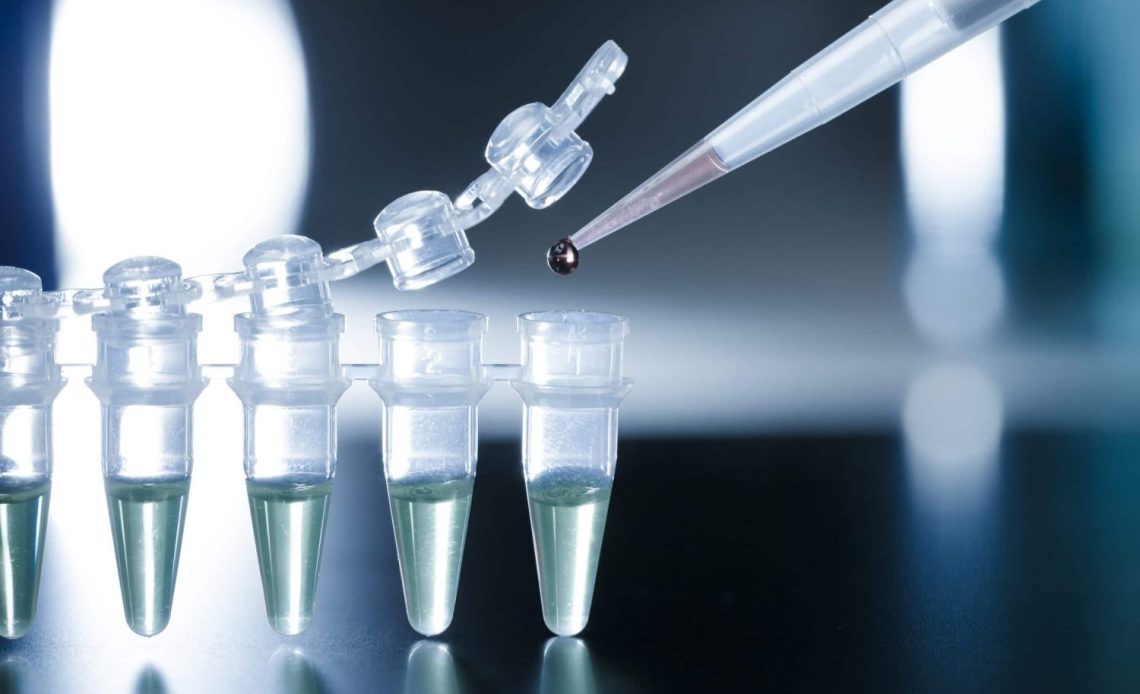
Plasmid DNA extraction is a routine yet essential process in molecular biology laboratories. High-quality plasmid DNA is required for applications such as cloning, sequencing, and transfection. Modern purification solutions like ZymoPURE II Plasmid Kits help streamline this process while delivering reliable yield and purity. Products such as D4201 and D4200 are designed to simplify plasmid purification and produce DNA suitable for a wide range of downstream experiments.
Below is a step-by-step overview of how researchers typically use ZymoPURE II Plasmid Kits to achieve high-yield DNA extraction.
Step 1: Bacterial Culture Preparation
The process begins with growing bacterial cultures containing the plasmid of interest. Researchers usually incubate transformed bacterial cells overnight in selective media to ensure plasmid replication. Proper culture growth is important because the quantity and quality of the bacterial culture directly affect plasmid yield.
Once the culture reaches the appropriate density, the cells are collected by centrifugation to form a compact pellet.
Step 2: Cell Lysis
After centrifugation, the bacterial pellet is resuspended in a buffer designed to maintain plasmid stability. The next step involves cell lysis, where the bacterial cells are broken open to release their contents, including plasmid DNA.
ZymoPURE II Plasmid Kits include optimized lysis solutions that efficiently disrupt the bacterial cell membrane while protecting plasmid DNA from degradation.
Step 3: Neutralization and Clarification
Following lysis, a neutralization buffer is added to stabilize the solution and separate plasmid DNA from other cellular components. During this stage, proteins, genomic DNA, and cellular debris precipitate out of the solution.
The mixture is then centrifuged again to remove the unwanted material. The resulting supernatant contains the plasmid DNA ready for purification.
Step 4: DNA Binding and Purification
The cleared lysate is transferred to a purification column included in ZymoPURE II Plasmid Kits. Under the appropriate conditions, plasmid DNA binds to the purification matrix while contaminants are washed away.
Both D4201 and D4200 use this principle to efficiently isolate plasmid DNA while minimizing contaminants such as endotoxins and proteins.
Step 5: Washing and Elution
After binding, several wash steps remove any remaining impurities. This ensures the final DNA preparation meets the purity requirements for sensitive molecular biology applications.
Finally, the purified plasmid DNA is eluted using an elution buffer or nuclease-free water. The resulting DNA sample is ready for downstream experiments such as cloning, sequencing, or transfection.
Achieving Reliable Results
Using ZymoPURE II Plasmid Kits, including D4201 and D4200, allows laboratories to follow a straightforward workflow while obtaining high-quality plasmid DNA. The optimized purification process helps researchers achieve consistent yields and reliable results, making these kits a practical choice for modern molecular biology research.