
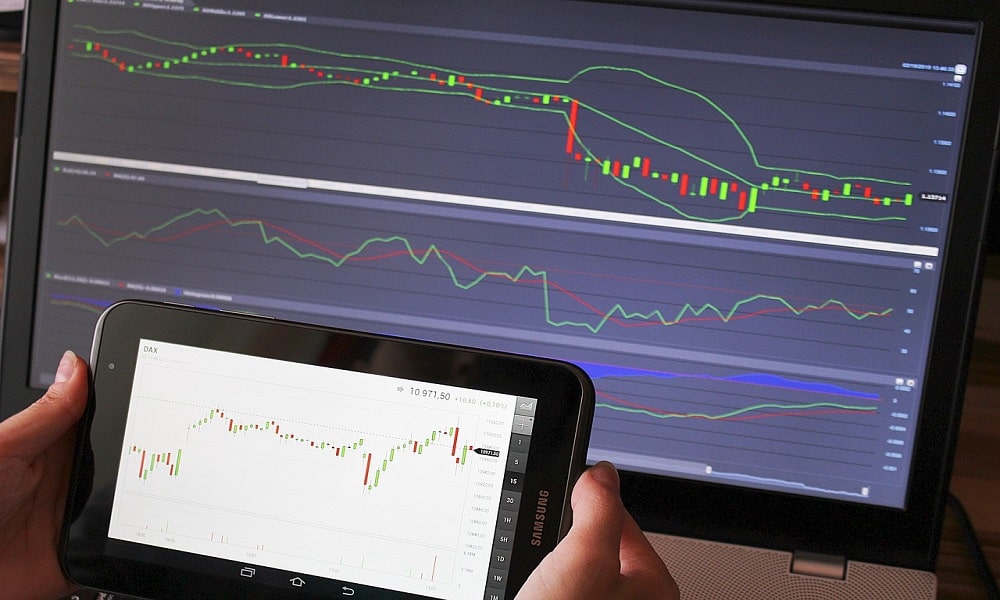
Contracts for Difference, more commonly known as CFDs, have become a central part of the modern trading landscape in Italy. Their flexibility, access to global markets, and ability to trade both rising and falling prices appeal to traders who value adaptability in fast-moving conditions. Yet flexibility alone does not guarantee success. CFDs demand a structured approach, disciplined risk management, and a clear understanding of strategy.
For Italian traders navigating equity indices, forex pairs, commodities, and shares, choosing the right strategy is often the difference between consistent performance and emotional decision-making. This article explores some of the most effective CFD strategies suited to today’s markets, offering practical insight rather than hype. Whether you are refining an existing approach or building your foundation, understanding how these strategies work in real trading environments is essential.
Understanding the Role of Strategy in CFD Trading
CFDs are leveraged instruments, which means that traders can gain significant exposure with a relatively small amount of capital. While this can amplify profits, it also magnifies losses. In Italy, where retail trading is shaped by European regulations and risk disclosures, strategy plays a protective role as much as a profit-seeking one.
A well-defined CFD strategy provides clarity. It helps traders identify when to enter a trade, when to exit, and how much capital to risk. Without this structure, trades often become reactions to short-term price movements or market noise. Over time, this reactive approach erodes both confidence and capital.
Successful strategies are not about predicting the future. They are about responding consistently to market conditions using predefined rules. This mindset is particularly important in CFD trading, where volatility is both an opportunity and a risk.
Trend Following as a Core CFD Approach
Trend following remains one of the most widely used strategies among CFD traders worldwide, including those in Italy. The principle is straightforward: trade in the direction of the prevailing market trend rather than against it.
In practice, trend followers use technical indicators such as moving averages, trendlines, and momentum tools to identify sustained price direction. When markets show clear higher highs and higher lows, long positions are favoured. In downtrends, short positions become the focus.
CFDs are particularly suited to trend following because they allow traders to take advantage of both upward and downward movements without owning the underlying asset. Italian traders often apply this strategy to major indices like the FTSE MIB, as well as liquid forex pairs and commodities.
Range Trading in Sideways Markets
Not all markets trend. In fact, many spend extended periods moving within a defined range. Range trading is a strategy designed for these conditions and is especially useful when economic data is limited or markets are awaiting major policy decisions.
Range traders identify key support and resistance levels where price tends to reverse. Buying near support and selling near resistance allows traders to benefit from predictable price oscillations. CFDs make this strategy accessible across multiple markets without requiring large capital outlays.
For Italian traders, range trading can be effective on individual stocks, currency pairs, and even indices during periods of consolidation. Technical tools such as oscillators help confirm overbought and oversold conditions, improving timing and reducing impulsive trades.
Breakout Strategies for Volatile Sessions
While range trading thrives in calm conditions, breakout strategies focus on moments when the price escapes consolidation and begins a new directional move. These breakouts often follow periods of low volatility and are triggered by economic releases, earnings announcements, or shifts in market sentiment.
Breakout traders monitor key price levels where markets have repeatedly stalled. When price moves decisively beyond these levels with increased volume or momentum, a trade is initiated in the direction of the breakout.
CFDs allow Italian traders to react quickly to these opportunities across global markets, even outside traditional equity trading hours. However, false breakouts are a known risk. Effective breakout strategies include confirmation criteria and predefined stop-loss levels to manage downside exposure.
Using CFDs for Hedging and Portfolio Balance
Beyond speculative trading, CFDs are often used as hedging tools. Italian investors with exposure to physical shares or long-term portfolios can use CFDs to offset short-term risk without selling their underlying holdings.
For example, during periods of market uncertainty, a short CFD position on an index can help protect a portfolio from temporary declines. This strategic use of CFDs transforms them from pure trading instruments into risk management tools.
To deepen your understanding of how these instruments work across different market conditions, it can be helpful to review educational resources that explain mechanics, costs, and risk considerations. One such overview can be found when you click here and explore how CFDs are structured and traded in practice.
Conclusion
CFDs offer Italian traders access to a wide range of markets and strategies, but this access comes with responsibility. Understanding trend following, range trading, breakouts, and hedging provides a practical toolkit rather than a promise of easy returns.
The most effective traders approach CFDs with respect for risk and a commitment to learning. They focus on process rather than outcomes, knowing that consistency outweighs short-term results. With a clear strategy and disciplined execution, CFDs can become a valuable part of a broader trading approach.