
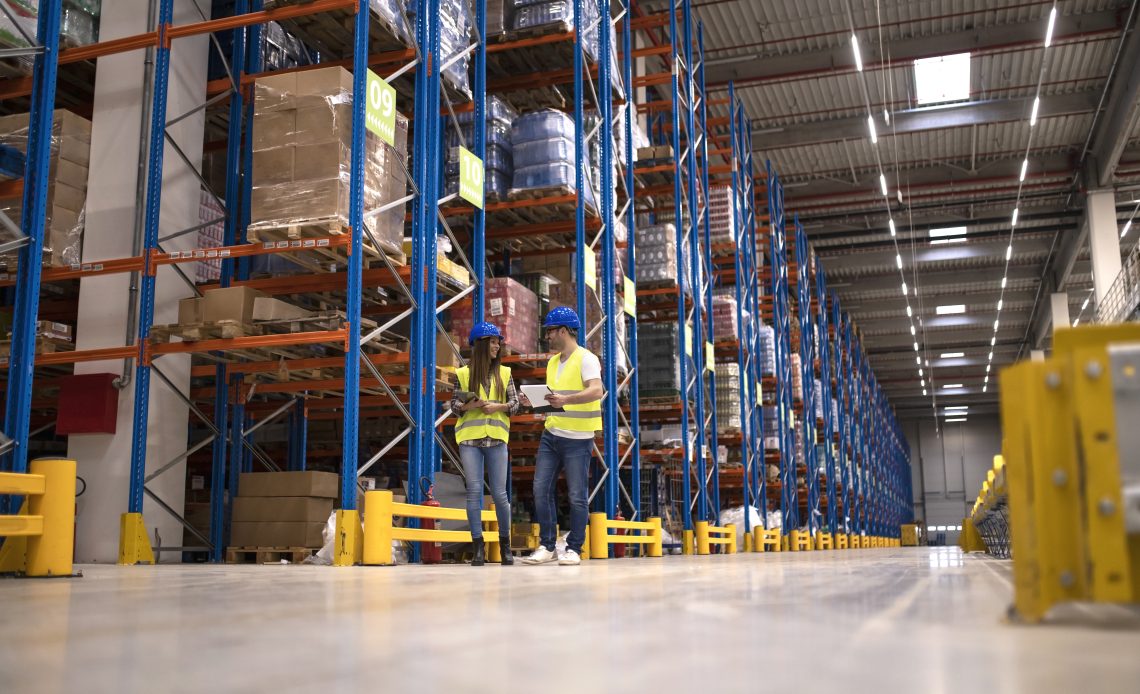
Walk through any warehouse and most people notice forklifts, racking, or conveyor systems first. Yet the pallet under each load has as much influence on cost, safety, and customer satisfaction as any big-ticket asset.
Industry estimates suggest that around 80 to 90 percent of global trade moves on pallets. Poor decisions about those pallets ripple through the whole supply chain. The right decisions, on the other hand, reduce product damage, support safety targets, and strengthen margins.
This guide looks at pallet choices as a strategic lever for warehouse and operations leaders, and how a smarter pallet program supports both daily operations and long term resilience.
Why do pallets matter so much in warehouse operations?
Pallets look simple, but they solve several problems at once:
- They standardize unit loads
- They allow easy lifting with forklifts and pallet jacks
- They stabilize products during storage and transit
- They help protect goods from floor moisture and impact
Because so much freight moves on pallets, even small improvements in pallet quality or usage scale across thousands of loads.
When pallets perform well, you see:
- Faster loading and unloading
- Fewer re-picks and rewraps
- Less product damage during transport
- More stable racking and stacking
- Fewer near misses around falling loads
When they perform badly, you see:
- Broken boards and stringers under load
- Nails and splinters that damage packaging
- Leaning stacks and crushed corners
- Extra time spent restacking or sorting damaged goods
That is why treating pallets as cheap, disposable consumables often turns into hidden cost and risk.
How can pallet choices reduce product damage and logistics costs?
Product damage is one of the clearest ways pallet decisions show up on a profit and loss statement. A cracked deckboard or a warped pallet can shift the center of gravity of a load, especially on mixed cases or fragile items.
Research on palletization and load stability shows that optimized pallet loads cut product damage and improve transport efficiency. Some pallet providers report savings of several dozen cents per pallet load when businesses move from poor quality platforms to better engineered options that keep loads stable.
Here is how pallet choices influence costs:
1. Fewer damaged units per shipment
- Stronger pallets reduce flexing and bounce in transit
- Better deck coverage supports smaller cartons and odd shapes
- Consistent dimensions reduce overhang, which is a common cause of corner crush and film tearing
Even a small reduction in damage rate, for example from 1 percent to 0.5 percent on a high-volume lane, can add up to thousands of dollars per year in saved product and claims.
2. Lower handling and rework
When pallets are consistent, operators can:
- Build stable loads faster
- Stretch wrap more efficiently
- Spend less time reworking leaning or crushed pallets at receiving docks
That translates into lower labor costs and smoother flows between inbound, storage, and outbound.
3. Better cube utilization
Standard, high quality pallets make it easier to:
- Stack higher in racking where safe and allowed
- Optimize trailer loading patterns
- Use automation such as palletizers and shuttle systems
All of that helps move more product with the same number of trips, which directly cuts freight cost per unit.
What should warehouse managers look for in new pallets?
At some point, every operation has to decide when to buy or introducenew pallets. That decision is bigger than just unit price.
A structured checklist helps managers compare options and justify changes to procurement and finance teams.
What pallet size and design fit the network?
Start with:
- Standard sizes used by your customers and carriers
- Racking type and clearances
- Mixed or uniform case patterns
- Use of automation, for example conveyor guides or palletizers
Choosing a pallet footprint that aligns with the dominant standard in your region reduces handling and repalletizing. It also supports pooling or reuse schemes if those are part of your strategy.
Which pallet material suits your operation?
Most operations still rely on wood pallets. They offer:
- Lower upfront cost
- Easy repair and reboarding
- A mature recycling and reuse stream
Life cycle studies show that wood pallets can have a slightly lower overall carbon footprint than single-use plastic pallets when energy recovery or recycling takes place at end of life.
Plastic pallets, however, bring advantages in specific contexts:
- Longer lifespan, often enduring many more use cycles than wood
- More consistent weight and dimensions
- Easier cleaning for food and pharmaceutical supply chains
- No nails or splinters that can injure staff or snag packaging
Decision makers should weigh:
- Typical product mix
- Hygiene requirements
- Export rules, such as ISPM-15 for wood
- Budget and desired lifespan
A hybrid approach is common. Many businesses keep wood pallets as the main platform, with plastic reserved for high-risk or high-value flows.
How important is pallet quality grading?
Even within one material, quality varies. Using pallets with consistent grading:
- Reduces the chance of hidden cracks or weak boards
- Helps standardize load limits
- Supports automation where pallet defects can cause jams
Defining clear minimum standards, then working with a pallet specialist who can sort and repair to those standards, is often more effective than buying different grades from multiple sources.
How do pallet choices affect warehouse safety and ergonomics?
Safety leaders rarely ignore forklifts or racking, yet pallets themselves also influence injury risk.
Warehouse and storage work carries higher than average injury rates, with musculoskeletal disorders and struck-by incidents among the most common problems. Poor quality pallets add to this risk in several ways.
Where do pallets show up in common warehouse injuries?
- Manual handling injuries: Repeated lifting or dragging damaged pallets strains backs, shoulders, and wrists. Cracked boards or protruding nails force awkward grips.
- Trips and slips: Broken boards and loose debris from old pallets create uneven surfaces that can cause trips.
- Struck-by incidents: Collapsing loads due to pallet failure can send cartons or even whole stacks toward workers.
- Cuts and punctures: Splinters, exposed nails, and sharp plastic edges can injure hands and legs.
By contrast, pallets with good deck coverage, intact stringers, and smooth edges reduce many of these hazards. Integrating pallet inspections into regular safety walks and encouraging staff to tag damaged units for removal are simple, low-cost controls.
How can pallet design support ergonomics?
Thoughtful pallet choices can make life easier for operators:
- Lighter pallet designs reduce strain during manual repositioning
- Four-way entry pallets allow more flexible access in tight spaces
- Skid-resistant top decks help stop loads from shifting during handling
- Consistent height and footprint simplify repetitive tasks at packing benches
Ergonomic improvements rarely come from pallets alone, but they play an important part in a system that reduces fatigue and injury risk.
How do pallet suppliers support safety, quality, and compliance?
No warehouse manages pallets in a vacuum. The relationship with the pallet supplier or pooling provider sets the tone for quality, availability, and risk management across the life of the pallet.
A reliable pallet partner should help you answer questions such as:
- Can they maintain consistent quality grades across every delivery?
- How fast can they respond during peak season or supply shocks?
- What repair and inspection standards do they follow?
- How do they support sustainable disposal or recycling at the end of life?
When operations teams start shortlisting vendors, it helps to use practical resources onwhat to consider before choosing a pallet supplier. Topics such as service levels, location, repair capabilities, and long term pricing structures are just as important as the initial quote.
What should you expect from a modern pallet supplier?
Beyond delivering pallets on time, leading suppliers can support your warehouse in several ways:
- Consultative support: Guidance on pallet design, load patterns, and material choices for different product lines.
- Quality control programs: Defined inspection points before pallets reach your site, plus clear procedures for handling defective units.
- Data and reporting: Visibility into pallet flows, repair rates, and losses, especially useful for closed-loop or pooling arrangements.
- Sustainability options: Access to recycled materials, certified wood sources, or buy-back programs that keep end-of-life pallets out of landfill.
For multi-site networks, alignment on standards across all locations is vital. A supplier who can support that consistency reduces friction when products and pallets move between distribution centers, co-packers, and contract warehouses.
How does pallet strategy connect to sustainability goals?
Many companies have clear sustainability targets for packaging and transport. Pallets are sometimes overlooked, even though they sit inside these same systems.
Key sustainability levers include:
Material and life cycle
Life cycle assessments indicate that wood pallets can have a lower carbon footprint than some single-use plastic options, especially when reuse and end-of-life energy recovery are accounted for. At the same time, durable plastic pallets can offset their higher initial impact by lasting many more trips and being fully recyclable.
This means the most sustainable choice is usually:
- A pallet that is reused many times
- Managed in a system that repairs and recycles effectively
- Matched to the right application, so it is not over-specified
Pallet pooling and closed loops
Pooling and closed-loop systems reduce the number of new pallets required each year and improve control over quality and loss. Providers that specialize in pooling often supply higher quality pallets, which lowers product damage and delivery problems.
For businesses with strong backhaul routes or dedicated carrier networks, a well designed closed loop around pallets can be both greener and cheaper than constant one-way purchases.
Waste reduction
Broken pallets sent to landfill represent both waste and lost value. Working with suppliers that:
- Take back and refurbish damaged pallets
- Shred unusable wood for energy or animal bedding
- Regrind plastic pallets into new product
helps turn a disposal problem into part of a circular system.
What practical steps can tighten up your pallet program this year?
Turning pallet strategy into results does not require a full system overhaul on day one. Incremental moves, guided by data, can add up quickly.
Here are steps many operations teams can start with:
1. Audit your current pallet fleet
- Count rough shares of different pallet types and grades on site
- Identify common defects and where they show up
- Track which product lines or customers generate the most pallet problems
A simple spreadsheet or warehouse management system tags can reveal patterns without large investments.
2. Quantify product damage linked to pallets
Work with customer service and quality teams to:
- Tag damage claims where pallet failure contributed to the issue
- Note if damage happens during internal handling, on route, or at customer sites
Even approximated numbers give a baseline for improvement projects.
3. Tighten warehouse pallet handling rules
- Set clear standards for when pallets should be pulled from use
- Train staff to spot and tag damaged units
- Assign responsibility for regular pallet area housekeeping to reduce debris and trip hazards
Coupled with toolbox talks and safety meetings, these actions support both injury reduction and better load quality.
4. Collaborate with your pallet supplier
Take your findings back to your pallet partner and ask:
- How can they help reduce the most common defects you see?
- Are there pallet designs better suited to your heaviest or most fragile loads?
- Can they support trials of alternative materials or pooling models on specific lanes?
Suppliers who understand your full warehouse and transport picture can often suggest changes that save more than they cost.
5. Align pallets with long term supply chain plans
As your business explores automation, foreign markets, or new product lines, keep pallets in the conversation. Questions worth raising early include:
- Will new equipment require tighter pallet tolerances?
- Do export markets change material or treatment requirements?
- Are there partners in your network who already use a particular pallet standard that you could align with?
Building pallets into planning helps avoid expensive rework later.
Final thoughts
Strong pallet decisions are not about picking the cheapest platform on the quote sheet. They are about choosing the right mix of pallet types, suppliers, and practices that support your warehouse team, protect your products, and keep freight costs under control.
Treat pallets as strategic assets inside your supply chain, not background props. With a clearer view of how those platforms affect damage rates, injury risk, and sustainability metrics, every load that leaves your dock can move with a little more confidence and a lot less hidden cost.