
Healthy eating lessons have a habit of sliding off pupils. Posters about five a day, worksheets on food groups and a talk in assembly all have their place, but the messages that stick tend to be the ones children experience for themselves.
If you are planning a healthy eating week, a sports day or a wellbeing event, here are some ideas that get young people involved rather than just informed.
Let them make it themselves
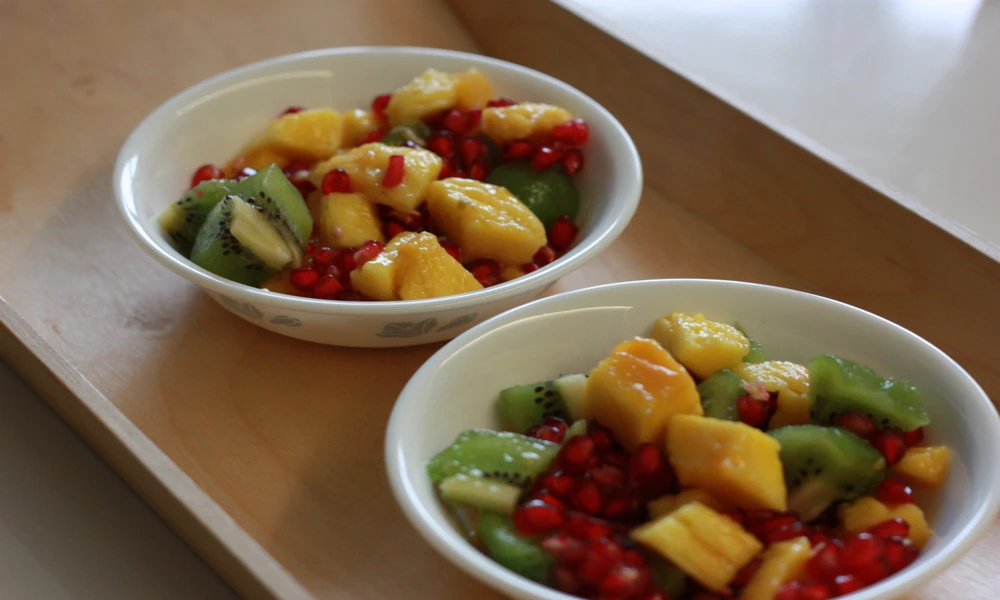
Children are far more likely to try something they have made. Fruit kebab stations, build your own wraps and salad challenges all work well because they put pupils in control. Even reluctant eaters will often taste something they have assembled with their own hands, and the sense of ownership makes the experience far more memorable than being handed a plate.
Grow something
A few planters of herbs, salad leaves or strawberries can turn into a term long project. Watching food grow helps pupils understand where it comes from and gives them a reason to care about eating it. It also creates a natural link with science lessons, from plant life cycles to the role of sunlight and water.
Connect food with movement
One of the most important messages for young people is that nutrition and exercise work together. Activities that combine both are especially effective, because they make the link obvious without anyone needing to explain it.
This is where smoothie bikes come into their own. A blender is fixed above the front wheel of a stationary bike, and pupils pedal for about a minute to blend their own fruit smoothie. They get some exercise, a healthy drink and the satisfaction of having powered it themselves. It is the kind of thing pupils talk about at home that evening.
Smoothie bikes also work brilliantly for whole school events because they suit every age group, from early years through to sixth form, and staff tend to enjoy having a go just as much. They are a great talking point at parents’ evenings and open days too.
Make it a competition
A bit of friendly rivalry goes a long way. House points for trying new fruit and vegetables, class challenges or a leaderboard for the fastest smoothie can keep momentum going all week. Older pupils can design their own smoothie recipes and vote for a winner, which brings in a little maths and creative thinking along the way.
Planning tips
If you are bringing in outside activities, check that any provider comes with DBS checked staff, public liability insurance and a risk assessment as standard. For larger events, ask how many participants they can handle per hour, so you can plan how classes will rotate through without long waits.
Schools looking at smoothie bikes hire will find most packages include fruit, cups and a staff member to run the session, so teachers are not left managing equipment on top of everything else. It is also worth checking allergy information with the provider in advance and sharing it with parents.
Keep it going after the week ends
The real goal is lasting habits. Share recipes with parents, add fruit tasting to snack time and revisit the themes later in the year. A memorable week is a great start, but the conversations it sparks at home are where the change happens.