
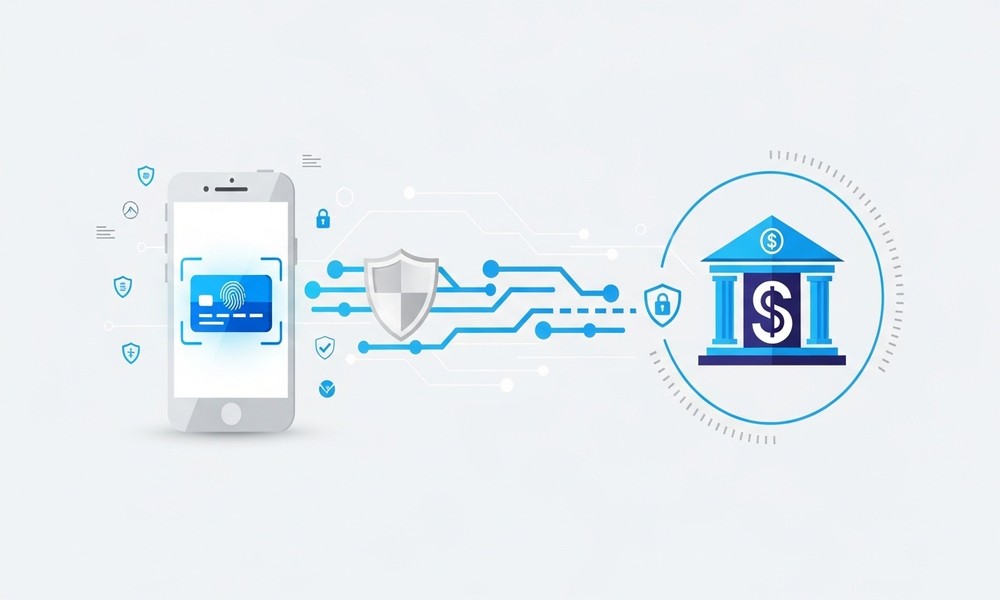
Bill payments have become a regular part of daily money management. From electricity and mobile bills to FASTag recharge, loan EMIs, insurance premiums, and investment-related payments, users now prefer managing these tasks through digital channels. A bill payment app can make this process easier by helping users track due dates, complete payments faster, and reduce the need for manual follow-ups.
For many Indian users, UPI has become the preferred payment method because it is quick, familiar, and widely accepted. When bill payments are linked with UPI, users can pay utility bills online, recharge FASTag, clear service charges, and manage recurring expenses from one place. A loan calculator can also support this routine by helping users estimate EMI amounts before adding a new loan payment to their monthly budget.
A good bill payment routine is not only about convenience. It is also about avoiding missed due dates, late fees, and repayment stress. Whether a user is handling household expenses, vehicle payments, fixed deposit planning, or insurance app payments, digital payment habits can make financial tracking more organized.
Why Bill Payments Need Better Planning
Bill payments may look small when viewed separately, but together they form a major part of monthly expenses. A mobile recharge, electricity bill, FASTag recharge, internet bill, insurance premium, and loan EMI can all fall within the same month.
Users often face issues such as:
- Missing payment due dates because reminders are scattered
- Paying late fees due to manual tracking
- Confusing paid and unpaid bills
- Forgetting FASTag recharge before travel
- Not checking EMI affordability before taking a loan
- Overlooking insurance renewal dates
- Losing track of UPI-based payment records
A bill payment app helps reduce this confusion by keeping payment activity more structured. When payments are handled through digital channels, users can review past transactions, check pending bills, and plan upcoming expenses more clearly.
Main Uses of a Bill Payment App
A bill payment app can support several daily and monthly payment needs. Instead of using separate processes for every service, users can manage many recurring tasks digitally.
Common use cases include:
- Paying electricity bills
- Paying water bills
- Paying gas bills
- Mobile recharge and postpaid bill payments
- Broadband and DTH payments
- FASTag recharge
- Loan EMI payments
- Insurance premium payments
- Credit-related payments
- Rent or service-related transfers
- FD-related tracking or payment planning
- UPI-based transfers
The main benefit is that users can manage recurring payments without depending on cash, branch visits, or multiple offline reminders. This is useful for salaried users, families, students, vehicle owners, and small business owners.
UPI and Bill Payments
UPI has made digital bill payments easier for everyday users. A user can complete a payment by selecting a bank account, entering the amount, checking the receiver details, and confirming with a UPI PIN.
For bill payments, UPI is useful because:
- Payments can be completed quickly
- Users do not need to enter full bank details repeatedly
- Transaction records are available digitally
- Small and large payments can be managed from the same bank account
- Users can pay utility bills online without visiting service counters
- Failed or pending payments can be checked through transaction history
However, users should always verify the biller name, amount, and payment status before closing the app. For important bills such as electricity, insurance, or loan EMI, saving the transaction reference can help in case of payment disputes.
FASTag Payments and Vehicle Expense Tracking
FASTag recharge is now a regular payment need for many vehicle owners. A low FASTag balance can create delays during travel, especially on highways. Managing FASTag recharge through a bill payment app can help users avoid last-minute issues.
Vehicle owners can use digital payment routines for:
- FASTag recharge before long trips
- Tracking highway travel expenses
- Paying vehicle-related bills
- Managing car insurance renewal reminders
- Checking payment records for monthly travel budgeting
FASTag payments should be reviewed along with other vehicle costs such as fuel, service expenses, parking, and insurance. If a user is also using a car insurance or insurance app, keeping renewal payments visible in the monthly expense plan can prevent policy lapse and unnecessary penalties.
Fixed Deposit and Bill Payment Balance
Fixed deposit planning and bill payments may seem unrelated, but both affect monthly money management. A user who sets aside money for savings should also ensure that regular bills and EMIs are covered on time.
Before locking funds into a fixed deposit, users should check:
- Monthly utility bill amount
- Insurance premium schedule
- Loan EMI dates
- FASTag recharge needs
- Emergency expense buffer
- Upcoming household payments
- UPI payment history
This helps users avoid breaking savings too early. A fixed deposit can be useful for planned savings, but bill payment responsibilities should be calculated first. Digital payment records can help users understand their actual monthly outflow before deciding how much to save.
Loan Needs and EMI Readiness
Many users also handle loan payments digitally. Before taking a loan, it is important to know whether the EMI can fit into the existing monthly budget. This is where a loan calculator becomes useful.
A loan calculator can help users estimate:
- Monthly EMI amount
- Total repayment amount
- Approximate interest cost
- Tenure impact on EMI
- Difference between short and long repayment periods
For example, if a user already has electricity bills, FASTag payments, insurance premiums, and UPI transfers every month, adding a new EMI without calculation can create pressure. A loan calculator gives a clearer view before the loan is taken.
Users should not look only at loan approval. They should check repayment comfort. A lower EMI may look easier, but a longer tenure can increase total interest. A higher EMI may close the loan faster but can reduce monthly flexibility.
Insurance App Payments and Renewal Discipline
An insurance app can help users manage policy-related payments and renewal alerts. Whether it is vehicle insurance, health insurance, or another policy, missing renewal dates can create financial risk.
Digital payment planning helps users:
- Track premium due dates
- Avoid policy lapse
- Keep payment records
- Compare renewal timelines with other monthly bills
- Plan premium payments before the due date
Insurance payments should not be treated as last-minute expenses. If the premium is high, users can plan it in advance by reviewing past bill payments and monthly savings. Keeping insurance payment dates visible alongside other bills can improve financial discipline.
Step-Wise Digital Bill Payment Routine
A simple routine can make bill payments easier and safer.
Step 1: List all monthly payments
Start by noting electricity, water, gas, mobile, internet, FASTag, loan EMI, insurance, and other recurring payments.
Step 2: Check due dates
Group payments by due date. This helps identify which bills are due in the first, middle, and last week of the month.
Step 3: Keep UPI account ready
Make sure the bank account linked with UPI has enough balance before paying bills.
Step 4: Use reminders
Set reminders for important payments such as loan EMI, insurance renewal, and FASTag recharge.
Step 5: Check payment status
After every payment, check whether the transaction is successful, pending, or failed.
Step 6: Save important references
For large payments, save the transaction ID or receipt.
Step 7: Review monthly outflow
At the end of the month, review total bill payments and check whether spending needs adjustment.
Safety Checks Before Paying Bills Online
Digital payments are convenient, but users should remain careful. A few simple checks can prevent common mistakes.
Before confirming any payment:
- Check the biller name
- Verify the payable amount
- Confirm the consumer number or account details
- Avoid paying through unknown links
- Do not share UPI PIN or OTP
- Use a secure internet connection
- Check whether the payment page is genuine
- Keep app and phone software updated
- Do not approve collect requests without understanding them
- Review transaction history after payment
The UPI PIN should only be used to send money or approve a debit transaction. It should never be shared with anyone. Users should also avoid entering payment details on suspicious pages or links received from unknown contacts.
Benefits of Managing Bills Digitally
Digital bill payments can help users become more organized with money. Instead of treating each bill separately, users can view payments as part of a monthly financial routine.
The main benefits include:
- Faster payment completion
- Easier tracking of past bills
- Fewer missed due dates
- Reduced late payment charges
- Better control over monthly expenses
- Easier FASTag recharge planning
- Improved loan EMI awareness
- Better insurance renewal discipline
- More clarity on UPI-based spending
These benefits become more useful when users review their payments regularly. A bill payment app is helpful, but discipline comes from checking records, planning ahead, and avoiding unnecessary spending.
Common Mistakes to Avoid
Users should avoid paying bills without checking details. A wrong consumer number, incorrect biller, or duplicate payment can create unnecessary follow-up work.
Common mistakes include:
- Paying bills at the last minute
- Ignoring failed transaction status
- Not saving receipts for important payments
- Using the wrong bank account
- Forgetting FASTag balance before travel
- Missing insurance renewal dates
- Taking a loan without using a loan calculator
- Not reviewing monthly payment history
- Making payments through suspicious links
Avoiding these mistakes can make digital payment usage safer and more efficient.
Conclusion
Bill payments are now closely connected with UPI, FASTag, insurance, loans, and savings planning. A bill payment app can help users manage these needs with better structure by keeping payment records, due dates, and transaction history easier to access.
UPI makes it simpler to pay utility bills online, recharge FASTag, clear monthly bills, and handle recurring financial tasks. At the same time, users should plan carefully before adding new loan EMIs or large commitments. A loan calculator can help estimate repayment pressure before borrowing, while regular bill tracking can show how much money is already going out every month.
For better financial control, users should verify every payment, track due dates, save important references, and review monthly expenses. With the right payment habits, bill payments can become easier to manage without creating confusion or unnecessary late fees.